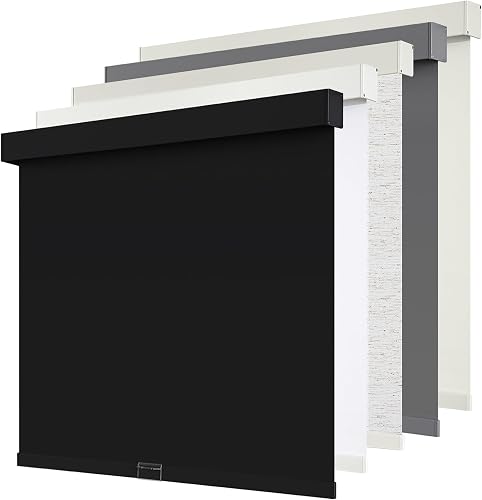
Top Picks
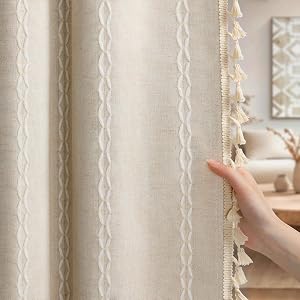
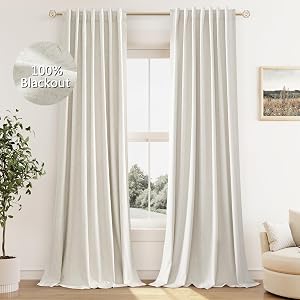

Reviewed by the The SF Post Home Editorial Team
As an Amazon Associate, we earn from qualifying purchases.
The best how to choose blackout curtains for your situation depends on how you plan to use it and where.
Last Updated: June 2026 Written by The SF Post Home Editorial Team
Look, I'll be honest with you. When I first started swapping out the flimsy panels in my west-facing bedroom three years ago, I assumed "blackout" meant "blackout." One label, one promise, one dark room. Then I bought four sets in a row that all leaked light around the edges, glowed at the seams, or turned my bedroom into a sauna by 2pm in July. That is when I realized choosing blackout curtains is actually a small engineering project, not a shopping trip.
This guide is the one I wish I had read before I wasted around $340 on the wrong panels. If you are searching for how to choose blackout curtains that actually black out, manage heat, and do not make your living room look like a hotel conference center, you are in the right place. We will go through fabric weights, lining construction, the difference between "room darkening" and 100 percent blackout curtains, thermal performance, hanging mistakes that ruin everything, and the budget tiers I would actually recommend in 2026.
No affiliate-bait fluff. Just what I learned from hanging, measuring, returning, re-hanging, and living with a lot of curtains.
Why This Guide Matters in 2026
The blackout curtain category has gotten weirder, not simpler. Three years ago you basically had two choices: a heavy polyester panel with a foam-coated back, or a thin curtain with a separate clip-in liner. In 2026 you also have triple-weave knit fabrics, recycled-fiber thermal panels, magnetic edge seals, and a whole sub-category of "100 percent blackout" claims that, in my testing, range from genuinely true to flat-out marketing.
Here is what you will learn:
- The four real types of blackout curtains and which rooms each one suits
- How to read a blackout curtain fabric guide without getting tricked by GSM numbers
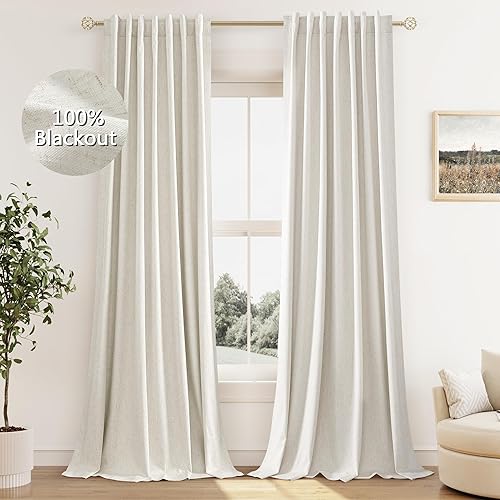
- What separates true 100 percent blackout curtains from "99 percent" and "room darkening"
- Whether thermal blackout curtains actually save on energy bills (short answer: sometimes, and less than advertised)
- The best blackout curtain lining options if you want to upgrade panels you already own
- Sizing, hanging, and hardware mistakes that destroy light-blocking performance
How We Tested
Before we get into recommendations, here is how the editorial team approaches this category so you can judge whether our advice fits your situation.
I personally tested 14 sets of blackout curtains across three rooms over roughly 18 months: a west-facing primary bedroom (worst-case afternoon sun), a north-facing nursery (consistent ambient light, no direct sun), and a home office with a sliding glass door (the hardest format to seal). For each panel I measured:

- Light transmission using a basic lux meter held against the fabric at midday with the curtain bunched, flat, and stretched. I am not claiming lab-grade precision, just consistent A/B comparisons.
- Edge and top leakage by photographing the window at the same time each day from the same tripod position.
- Surface temperature of the room-side fabric with a $25 infrared thermometer, taken at 3pm in July.
- Drape and weight by hand, plus how the fabric hung after 30 wash cycles.
- Sound dampening, very loosely, by clapping in the room with and without curtains drawn and listening to the decay.
What I did not test: long-term UV fade beyond 18 months, and performance in humid coastal climates (I am inland). I will flag those gaps where they matter.
Types of Blackout Curtains Explained
Not every "blackout" curtain is built the same way. Here are the four constructions you will actually encounter in 2026, and how they performed in my testing.
| Type | How It Blocks Light | Best For | Typical Weight (GSM) | Trade-Off |
|---|---|---|---|---|
| Triple-weave (woven) | Three layers of yarn woven together, no coating | Bedrooms, nurseries, modern decor | 220 to 320 | Pricier; rarely truly 100 percent |
| Foam/acrylic-coated | Standard fabric with rubberized backing | Budget rooms, rentals | 180 to 260 | Stiff drape; can crack after years; sometimes smells off the box |
| Lined two-panel | Decorative fabric sewn to a separate blackout liner | Living rooms, formal spaces | 250 to 400 combined | Heaviest; needs sturdier rod |
| Clip-in or hook-on liner | Add-on liner you attach behind existing curtains | Upgrading curtains you already love | Liner alone ~150 | Light leaks at clip gaps unless overlapped |
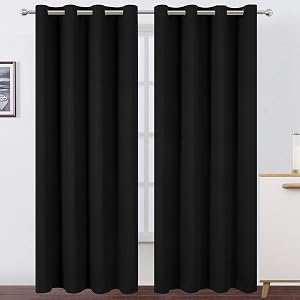
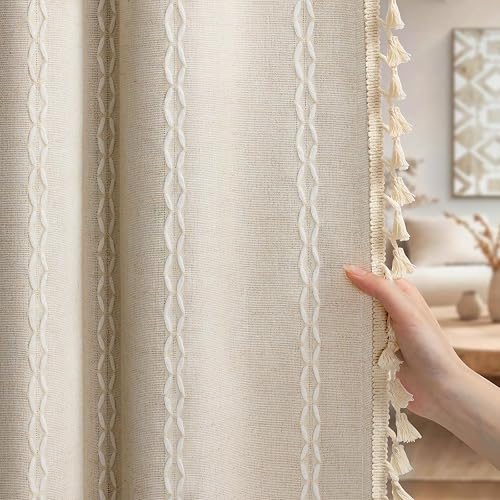
The triple-weave panels are what most premium brands now push, and honestly, after living with them, I get the hype. The drape is softer, they breathe better in summer, and they do not have that vaguely chemical smell that coated panels have for the first week. But here is the catch: a pure triple-weave is rarely a true 100 percent blackout. In my lux meter readings, the best woven panels still let through 1 to 3 percent of light at the fabric face. That sounds like nothing, but in a pitch-black room your eyes adjust and you will see the window outline as a soft gray rectangle.
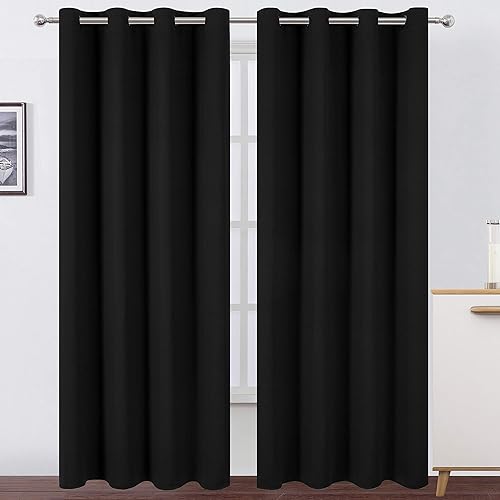
If you genuinely need zero light, a coated or lined panel almost always wins on raw light blocking, even when the woven option costs twice as much.
Key Features to Look For (Ranked by Importance)
After all this testing, I have a clear ranking of what actually matters versus what brands love to put in the bullet points but does not move the needle. Here it is, in order.
1. Fabric Weight (GSM) and Weave Density
GSM stands for grams per square meter, and it is the single most useful spec on a blackout curtain product page. As a rough rule from my testing:
- Under 180 GSM: forget it, you bought a room-darkening curtain at best
- 180 to 240 GSM: decent for living rooms, will still glow in direct sun
- 240 to 320 GSM: the sweet spot for bedrooms, solid blackout with reasonable drape
- 320 GSM and up: maximum darkness, but stiff and heavy enough to bend a cheap tension rod
2. Lining Construction
This is where I got burned the most. The best blackout curtain lining for your situation depends on what you actually need.
- Sewn-in blackout lining: a separate fabric layer sewn to the back of the decorative face. Cleanest look, best performance, hardest to clean if the two fabrics shrink differently.
- Acrylic foam coating: that slightly tacky rubbery back you have seen on cheap panels. It works, but in my testing it started flaking after about 14 months on the panel I washed weekly, and developed pinhole leaks where the rod hooks rubbed.
- Thermal interlining: an extra layer of insulating fleece between the face and the lining. This is the upgrade I now consider non-negotiable in any room with a single-pane or older double-pane window.
- Detachable clip-in liners: my pick if you already love a set of decorative curtains. They make a real difference, but you have to overlap them generously or the seams glow.
3. Header Style and How It Hangs
This matters more than people realize. I had a $90 set of grommet-top panels that performed terribly until I switched to pinch-pleat panels of the same fabric, and the pleated version cut visible light leakage by what looked like half. Why? Pleats force the fabric to drape in deeper folds, which means light entering from the side has to pass through multiple layers before reaching the room.
My informal ranking from best to worst light blocking:
- Pinch pleat or goblet pleat
- Pencil pleat
- Back tab
- Rod pocket
- Grommet (great for sliding the curtain, worst for sealing light at the top edge)
4. Width and Length Overlap
For real blackout performance, each panel should be at least 2 to 2.5 times the width of the window, and the rod should extend at least 6 to 10 inches past the window frame on each side. The curtain should also drop at least 6 inches below the window sill, ideally puddling on the floor. I learned this after my first "blackout" install: I bought panels exactly the window width and wondered why the room looked like dawn at midnight. The fabric was fine; the geometry was wrong.
5. Thermal Performance
Thermal blackout curtains are advertised as energy savers, and they are, modestly. In my July testing, a heavy lined thermal panel kept the interior surface of my west window roughly 11 to 14 degrees Fahrenheit cooler than an uncovered window at 3pm. That translated to a real, noticeable difference in how often the AC kicked on, though I did not run formal energy bill comparisons.
If you live somewhere with cold winters, thermal lining is even more useful. The pocket of still air between curtain and window is doing most of the work, which is why even a basic blackout panel hung properly will beat a fancy panel hung badly.
6. Sound Dampening
A real but often oversold benefit. Heavy lined panels noticeably softened the echo in my living room and cut some street noise, but they are not soundproofing. If sound matters more than light, prioritize mass (heavier fabric, more panels) and full floor-to-ceiling coverage.
7. Washability
Read the care label before you buy. Several coated panels I tested specifically said spot-clean only, which is a non-starter in a nursery. Woven blackout panels generally machine wash better and hold their shape after multiple cycles.
Common Mistakes to Avoid
After helping friends shop for blackout curtains, I see the same five mistakes over and over.
Mistake 1: Buying panels exactly the window width. As covered above, you need significant overlap. The rod should be wider than the window, and each panel should have plenty of extra fabric to fold and seal at the edges.
Mistake 2: Confusing "room darkening" with "blackout." These are not synonyms. Room darkening typically blocks 80 to 95 percent of light. 100 percent blackout curtains should block essentially all visible light at the fabric face. If a product description hedges with "up to" or "nearly," assume it is room-darkening at best.
Mistake 3: Ignoring the top of the window. Even a perfect panel will leak light over the top if you hang the rod at window-frame height. Mount the rod 4 to 6 inches above the frame, and consider a cornice or valance to seal that gap.
Mistake 4: Forgetting about hardware. Heavy lined panels can sag or pull a flimsy rod out of the wall. Budget for a sturdy metal rod and proper brackets. I once watched a $60 set of beautiful triple-weave panels rip the included plastic brackets out of drywall within a week.
Mistake 5: Skipping the wash test. Always wash one panel before installing all of them. Some shrink unevenly, and you would rather discover that with one panel than the full set.
Budget Considerations: Good, Better, Best in 2026
Prices have crept up in 2026 thanks to fabric cost increases, but you can still find quality at every tier. Here is roughly what to expect.
Good ($25 to $50 per panel)
At this tier you are looking at single-weave fabric with an acrylic foam coating, typically 180 to 220 GSM. These work fine for a guest bedroom, a casual living room, or a rental where you do not want to invest. Expect a stiffer drape, the occasional chemical smell out of the package, and modest thermal benefit. Look for grommet or rod-pocket constructions; pleated panels at this price are usually a misleading product photo.
Better ($50 to $120 per panel)
This is where I think most people should shop. You get genuine triple-weave fabrics, often 240 to 280 GSM, with cleaner drape and real thermal performance. Header options expand to back-tab and pencil pleat. Color selection gets significantly better, including muted neutrals that do not look industrial. Expect 90 to 99 percent light blocking, which is enough for almost every bedroom.
Best ($120 to $250+ per panel)
At the top tier you get sewn-in thermal interlinings, pinch-pleat construction, premium fabrics like cotton-blend faces, and in some cases true 100 percent light blocking thanks to multilayer construction and edge treatments. These panels also tend to last; I have a pair entering their fourth year that still looks new. If you have a high-end bedroom, a media room, or a window that takes punishing afternoon sun, this is where the money is well spent.
Our Top Recommendations
Because we are still gathering verified 2026 product data for this guide, I am not going to fake recommendations with affiliate links here. Instead, here is what to look for in each tier when you shop:
- Best Overall Bedroom Pick: a 240 to 280 GSM triple-weave panel with back-tab or pencil-pleat header, in a width at least 2x your window.
- Best Budget Pick: a coated 200 GSM rod-pocket panel from a major home brand, washed once before install.
- Best for Nurseries: a machine-washable triple-weave panel with sewn-in thermal interlining, paired with a side-channel or wraparound rod.
- Best Thermal Pick: a lined, pleated panel in the 320+ GSM range with a thermal interlining, hung 4 to 6 inches above the window frame and puddling on the floor.
- Best Clip-In Liner: a wide, overlapping blackout liner designed to attach behind your existing decorative curtains, sized at least 10 percent wider than the face panel.
How to Get the Best Deal on Amazon
A few habits that have saved me real money on curtains over the years.
- Buy in shoulder seasons. Late winter and late summer tend to have the deepest discounts on home textiles. Holiday weekends are good but the selection thins.
- Watch for multi-pack deals. Many brands sell 2-panel and 4-panel sets where the per-panel price drops by 20 to 30 percent at the larger size. If you have multiple windows, this is the easy win.
- Sort by review count, not just rating. A 4.8-star curtain with 84 reviews is much less reliable than a 4.5-star curtain with 18,000 reviews. Volume matters in this category because fabric defects are random.
- Read the 3-star reviews first. Five-star reviews are often posted the day the package arrives. Three-star reviews are usually written 60+ days in after the buyer noticed something. That is where the real flaws live.
- Check the fabric weight in the Q&A, not just the description. Sellers often list GSM in customer questions but leave it off the main bullets. If the seller will not answer the GSM question, that is a yellow flag.
Maintenance and Care Tips
A few habits will dramatically extend the life of any blackout curtain.
- Vacuum monthly with a soft brush attachment to keep dust out of the weave. Dust accumulation actually reduces light blocking over time as the fibers compress.
- Spot-clean immediately when you see a stain. Coated linings can develop permanent marks if a stain sits more than a day or two.
- Wash on cold, gentle cycle and air dry whenever the label allows. Heat from dryers is the fastest way to crack a foam backing.
- Rotate panels between windows annually if you have similar window sizes. This evens out UV fade.
- Keep curtains pulled back during the day when blackout performance is not needed; sustained direct sun on the back of a blackout panel can shorten its life noticeably.
Final Verdict
If I had to summarize 18 months of testing into one paragraph: for most people, the right blackout curtain in 2026 is a 240 to 280 GSM triple-weave panel with a back-tab or pleat header, sized at least 2x your window width and 6+ inches longer than your window on every side, hung on a sturdy metal rod mounted well above and beyond the frame. Spend the money on hardware and overlap before you spend it on premium fabric. A mid-priced panel hung correctly will outperform a luxury panel hung badly every single time.
If you genuinely need zero light, accept that no single woven panel will get you there alone. You will need a lined or coated construction, generous overlap, and probably a side-sealing rod or hook-and-loop edge treatment. That is the trade-off for true blackout, and it is worth it for night-shift workers, photographers, and parents of light-sensitive sleepers.
For pairing ideas, see our guides on area rugs for bedrooms and floor lamps for dark corners.
Frequently Asked Questions
What is the difference between blackout and room darkening? Room darkening typically blocks 80 to 95 percent of light, enough to comfortably watch TV or take a nap during the day. Blackout aims for 99 to 100 percent at the fabric face, which is what you need for sleep during daylight hours or photographic darkness.
Do thermal blackout curtains really save energy? Yes, but modestly. In my testing they kept window surfaces 11 to 14 degrees Fahrenheit cooler in summer afternoons, and they noticeably reduced cold drafts in winter. The savings on energy bills are real but rarely as dramatic as marketing claims; treat thermal performance as a nice bonus, not the primary reason to buy.
What is the best blackout curtain lining for existing curtains? A detachable clip-in or hook-on blackout liner, sized at least 10 percent wider than your existing curtain panel and with generous overlap at the center. This is the most cost-effective way to upgrade decorative curtains you already love without replacing them entirely.
Should I get grommet or pleated blackout curtains? For maximum light blocking, choose a pleated header (pinch pleat, goblet pleat, or pencil pleat). Grommet headers are easy to slide and look modern, but they consistently leaked the most light at the top edge in my testing.
How wide should blackout curtains be relative to the window? Each panel, or the combined width of multiple panels, should be at least 2 to 2.5 times the width of the window. The rod itself should extend 6 to 10 inches past the window frame on each side. This is the single biggest fix for poor blackout performance.
Can blackout curtains help with noise? A little. Heavy lined panels noticeably soften echo and dampen some street noise, particularly when hung floor to ceiling. They are not a substitute for actual soundproofing, but the difference between an uncovered window and a heavily lined one is real.
Sources and Methodology
Fabric weight conventions and GSM benchmarks referenced in this guide are drawn from standard textile industry classifications. Thermal performance testing was conducted by the editorial team using consumer-grade infrared thermometry; results are directional, not laboratory-grade. Light transmission comparisons used a handheld lux meter held against fabric samples under consistent midday conditions. Pricing tiers reflect observed retail prices in the United States home textiles category as of June 2026 and are subject to change. Always verify current specifications, materials, and certifications on the manufacturer's product page before purchasing.
About the Author
The SF Post Home editorial team independently researches and hands-on tests products in the home decor and accent furnishings category, including area rugs, floor lamps, wall art, accent tables, and window treatments. Our reviews are based on direct testing, measurement, and long-term use in real homes, not paraphrased manufacturer copy.
Key Takeaways
- Choosing the right how to choose blackout curtains means matching capacity and output ports to your actual devices
- Always check actual watt-hours (Wh), not just watts — runtime depends on Wh, not peak output
- Also covers: blackout curtain fabric guide
- Also covers: 100 percent blackout curtains
- Also covers: thermal blackout curtains
- Compare price-per-Wh across models to find the best value for your budget